
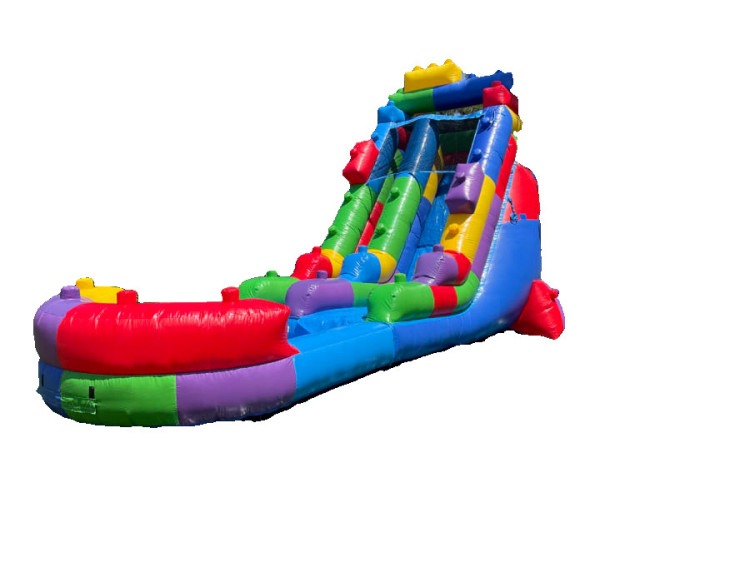
Guide to Setting Up Inflatables: What You Need to Know
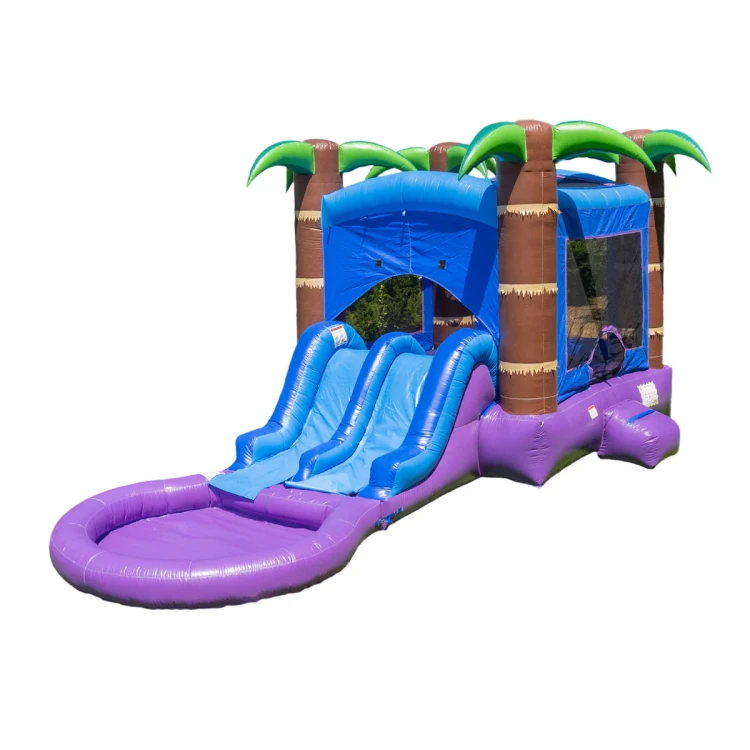
Inflatable structures, such as bounce houses, water slides, and inflatable obstacle courses, have become staples at parties, fairs, and events. While they provide fun and excitement, setting them up requires careful planning and execution. This article delves into the critical aspects involved in setting up inflatables, from understanding space requirements to ensuring safety and compliance. Whether you’re a first-time user or looking to refine your setup skills, this guide aims to equip you with the knowledge necessary for a successful inflatable installation.
Understanding Space Requirements for Inflatables
Measuring Available Space
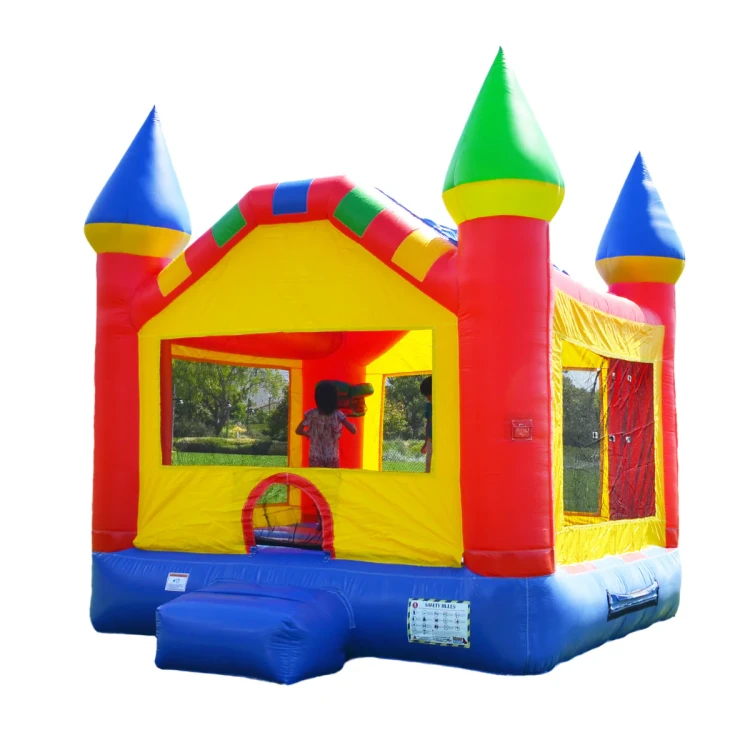
The first step in setting up any inflatable is to measure the available space. Each product comes with specific dimensions, and knowing the height, width, and length of the inflatable is essential. Ensure that the area is clear of any obstacles, such as trees, fences, or power lines, that could impede the inflatable’s operation. For example, a standard inflatable bounce house may require a minimum clearance of 5 feet around all sides. This measurement is crucial, as insufficient space can lead to safety hazards and damage to the inflatable.
Moreover, consider the ground surface where the inflatable will be placed. Ideally, it should be flat and free of sharp objects that could puncture the material. Grass is often the best surface for inflatables, but if you’re using a harder surface like concrete, additional precautions, such as mats, may be necessary. Always assess the area beforehand to avoid any last-minute surprises during setup.
Considerations for Safety and Accessibility
Safety is paramount when setting up inflatables. Make sure the area is easily accessible for both the users and emergency services. Ensure that there are ample pathways for children entering and exiting the inflatable. You should also consider the age group that will be using the inflatable. For younger children, it’s advisable to set up in a confined area where supervision is easier. For larger setups intended for older children or adults, a more extensive space might be necessary to accommodate multiple users safely.
In addition to physical space, think about the weather and environmental factors. Inflatables should never be set up in inclement weather conditions, such as high winds or heavy rain, as this can lead to increased risk of accidents. Always check the forecast and secure the inflatable appropriately against wind with stakes or weights, ensuring that it remains stable and secure during use.
Identifying Water and Power Sources
Locating Nearby Water Sources
If you’re setting up water inflatables, like water slides or inflatable pools, the availability of water is essential. Identify a nearby water source that will allow you to fill the inflatable quickly and efficiently. Using a hose is the most common approach, so ensure the area has access to a water tap or a nearby source of water. If you’re using a large inflatable that requires significant amounts of water, plan ahead to reduce the time spent filling it.
Additionally, consider the drainage of the area where the inflatable will be placed. It’s advisable to set up on a surface that allows for proper drainage to avoid puddling or muddy conditions, which can cause slips and falls. If the ground is too saturated, it may not be safe for use, leading to potential injuries and damage to the inflatable.
Determining Power Source Availability
Most inflatables require a power source to operate the blower that keeps them inflated. Before setting up, ensure you have a reliable power source nearby. Check the power requirements of the inflatable’s blower, as some may require standard household current, while others might need a more significant power supply. If the inflatable is to be used for several hours, consider using a generator or an extension cord rated for outdoor use to ensure the blower operates continuously without interruption.
It’s also wise to keep in mind the distance between the power source and the inflatable. Ensure that the cord is long enough, and avoid using cords that may pose a tripping hazard. If you are using extension cords, they should be heavy-duty and grounded to prevent any power outages or electrical issues during operation. Always follow safety guidelines to avoid any accidents related to electricity.
Checking Company Credentials
Importance of Insurance
Before renting an inflatable, check the credentials of the rental company. One of the most crucial aspects is their insurance policy. A reputable rental company should have liability insurance that protects both you and their equipment in case of accidents. Verify that they provide adequate coverage, which can significantly reduce your liability in the event of an injury or damage during the setup and usage of the inflatable.
Additionally, inquire about their experience in the industry. Companies with a solid reputation are often more reliable and will have established safety protocols to follow during the setup and operation of their inflatables. Don’t hesitate to ask for references or read reviews from previous clients to gauge their reliability and professionalism before making a decision.
Verifying Certification and Compliance
It’s also essential to ensure that the inflatable units comply with safety standards. Many states require inflatable rental companies to adhere to specific safety regulations and guidelines. This may include regular inspections and certifications. Ask the rental company if their inflatables meet these standards and whether they can provide proof of compliance.
In addition to safety certifications, check if the company provides a safety briefing for users. Proper training and guidelines on how to operate the inflatable and maintain safety during use are essential for preventing accidents. An informed operator can ensure a safe and enjoyable experience for everyone involved.
Conclusion
Final Tips for a Successful Inflatable Setup
Setting up inflatables can be a straightforward process if you pay careful attention to the details discussed in this guide. Always start with measuring the space, ensuring that the area is safe and accessible. Locate the necessary water and power sources and verify that the rental company has the appropriate insurance and certifications. Remember, safety should always come first, so take the time to prepare and educate yourself and others on how to enjoy the inflatable responsibly.
In conclusion, whether you are hosting a birthday party, a school event, or a community fair, the enjoyment brought by inflatables is undeniable. By following these comprehensive guidelines, you ensure a successful and safe experience that will be memorable for all attendees. Proper planning and execution will not only enhance enjoyment but also ensure safety and compliance during your inflatable setup.
FAQs
Q: How much space do I need for an inflatable?
A: The space required varies by the type of inflatable. A standard bounce house typically needs at least 5 feet of clearance on all sides. It’s crucial to check the dimensions of the specific inflatable you plan to rent.
Q: What should I do if the weather turns bad?
A: If you anticipate bad weather, it’s best to set up the inflatable for another day or secure it properly to prevent damage. Inflatables should never be used in high winds or heavy rain.
Q: Is insurance necessary for inflatable rentals?
A: Yes, it is essential to choose a rental company that carries liability insurance. This protects you from potential liabilities should accidents occur during the use of the inflatable.
Q: Can I set up an inflatable on any surface?
A: While inflatables can be set up on various surfaces, it’s best to use a flat, grassy area. Hard surfaces may require additional safety measures to prevent accidents.
Q: How do I ensure safety while using inflatables?
A: Ensure that there is a clear path for entry and exit, supervise users, follow the rental company’s safety guidelines, and ensure the inflatable is adequately secured against weather conditions.